

GI SURGERY
Advanced GI Surgery. Faster Recovery. Better Living.
Accurate Diagnosis with Modern Medical Expertise
We deliver clear and reliable answers to digestive concerns through detailed evaluation and evidence-based treatment, backed by advanced gastroenterology expertise and years of clinical experience.
Advanced Endoscopic Care with Precision
Our clinic offers endoscopy, colonoscopy, sigmoidoscopy, ERCP, EUS and specialized diagnostic procedures using modern technology to ensure safe, comfortable, and highly precise gastrointestinal assessments.
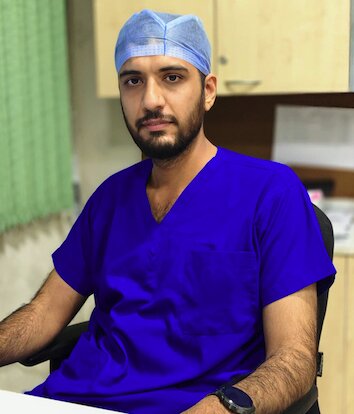
Gastrointestinal surgery encompasses a range of surgical procedures aimed at diagnosing, treating, and managing conditions affecting the digestive tract, including the esophagus, stomach, intestines, liver, gallbladder, and pancreas. This specialized field addresses various gastrointestinal disorders such as cancer, diverticulitis, inflammatory bowel disease, hernias, and reflux disease, among others. Gastrointestinal surgery aims to alleviate symptoms, restore normal digestive function, and improve overall quality of life for patients.
GI Surgery Services.
A. Laparoscopic Surgery
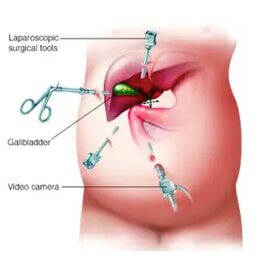
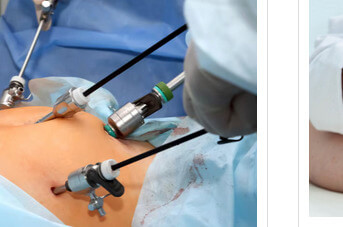
For many people facing digestive disorders, surgery might seem like a daunting prospect. Traditional open surgery often involves large incisions, longer hospital stays, and a more challenging recovery. However, laparoscopic surgery offers a minimally invasive alternative for a variety of gastroenterological procedures. Laparoscopic surgery, also known as keyhole surgery, utilizes small incisions in the abdomen to access the digestive organs. A laparoscope, a thin instrument equipped with a camera and light source, is inserted through one incision. The surgeon views the internal organs on a high-resolution monitor and guides other surgical instruments inserted through additional tiny incisions.
Laparoscopic Cholecystectomy
Laparoscopic cholecystectomy is a surgical procedure performed to remove the gallbladder, typically due to gallstones causing pain, inflammation, or other complications. It has become the gold standard treatment for gallbladder-related issues due to its minimally invasive nature and quicker recovery times compared to traditional open surgery.
Laparoscopic Hernia Repair
Laparoscopic hernia repair is a minimally invasive surgical procedure aimed at repairing hernias through small incisions in the abdomen. Unlike traditional open surgeries, which require a larger incision, laparoscopic hernia repair utilizes a laparoscope, a thin, flexible tube equipped with a camera and surgical instruments, allowing the surgeon to access and repair the hernia with greater precision.
Adhesions Release
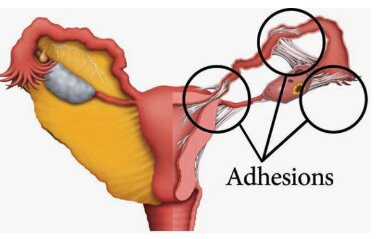
Adhesions release is a surgical procedure aimed at releasing and removing adhesions that form between internal tissues and organs. Adhesions are abnormal bands of scar tissue that can develop after surgery, injury, or inflammation. This procedure helps alleviate symptoms caused by adhesions, such as pain and obstruction of organs.
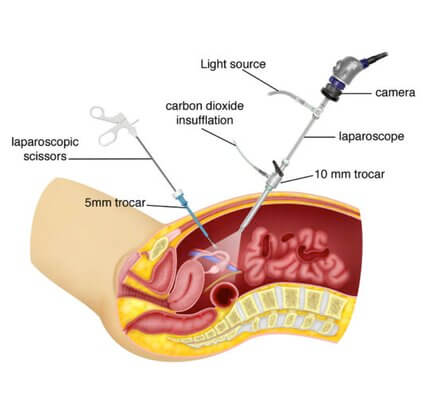
Diagnostic Laparoscopy
iagnostic laparoscopy is a minimally invasive surgical procedure used to visually examine the abdominal organs and tissues. It involves inserting a laparoscope through a small incision in the abdomen to provide direct visualization, allowing for the diagnosis of various conditions such as abdominal pain, infertility, or unexplained symptoms.
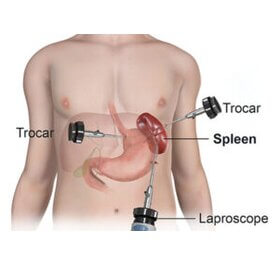
Laparoscopic Splenectomy Surgery
Laparoscopic splenectomy is a surgical procedure performed to remove the spleen using minimally invasive techniques. It involves making small incisions in the abdomen through which specialized instruments and a laparoscope are inserted to visualize and remove the spleen.
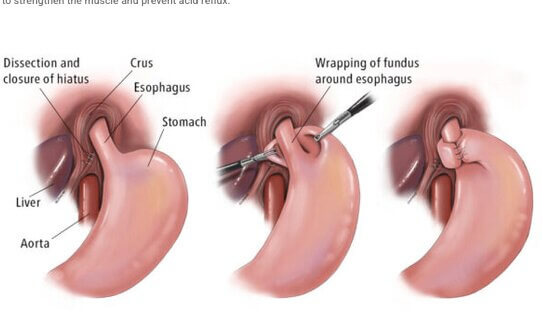
Laparoscopic Fundoplication
Laparoscopic fundoplication is a surgical procedure used to treat gastroesophageal reflux disease (GERD). It involves wrapping the upper part of the stomach (fundus) around the lower esophagus to strengthen the muscle and prevent acid reflux.
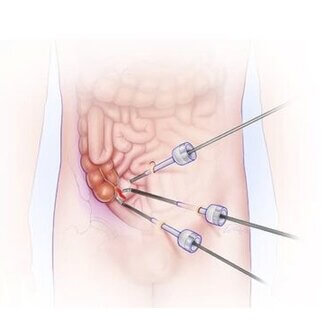
Laparoscopic Appendectomy
Laparoscopic appendectomy is a surgical procedure performed to remove the appendix, typically due to inflammation caused by appendicitis. Unlike traditional open surgery, laparoscopic appendectomy involves making small incisions in the abdomen through which a laparoscope and specialized instruments are inserted to perform the surgery.
GI Surgery Services.
B. Laser Procedures
We welcome patients seeking cutting-edge laser procedures to diagnose and treat various digestive disorders. Our experienced gastroenterologist, Dr. Govind Nandkumar, leads our team in providing personalized care and utilizing the latest medical technology advancements to ensure optimal surgical outcomes.
Laparoscopic Cholecystectomy
Laparoscopic cholecystectomy is a surgical procedure performed to remove the gallbladder, typically due to gallstones causing pain, inflammation, or other complications. It has become the gold standard treatment for gallbladder-related issues due to its minimally invasive nature and quicker recovery times compared to traditional open surgery.
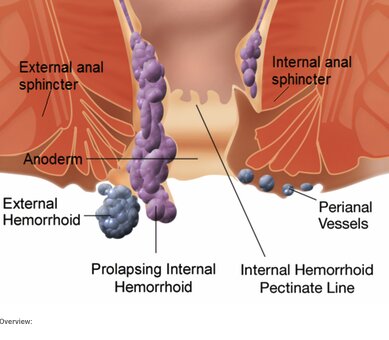
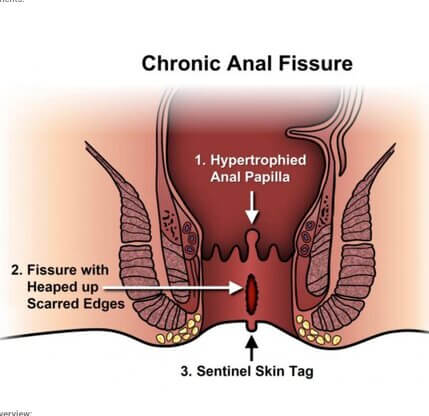
Piles Treatment
Piles, also known as hemorrhoids, are swollen veins in the lower rectum or anus. They can cause discomfort, pain, itching, and bleeding, particularly during bowel movements. Treatment for piles aims to relieve symptoms and prevent recurrence.
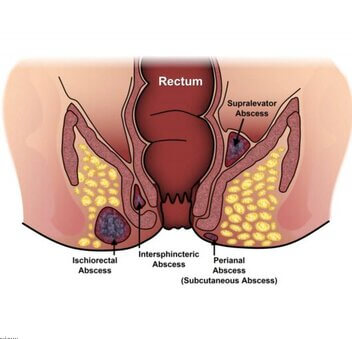
Anal Fistula
An anal fistula is an abnormal tunnel-like passageway that forms between the anal canal and the skin near the anus. It often develops as a complication of an anal abscess. Treatment for an anal fistula typically involves surgical intervention to remove the infected tissue and close the abnormal passage.
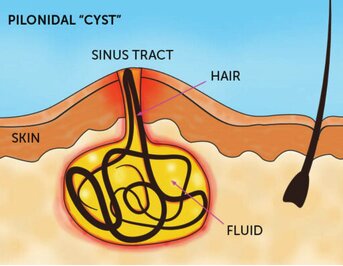
Pilonidal Sinus
Pilonidal sinus is a small tunnel or tract that develops in the skin, typically in the area between the buttocks. It often contains hair, debris, and bacteria, leading to inflammation, infection, and abscess formation. Surgical intervention is commonly required to treat pilonidal sinus and prevent recurrence.
GI Surgery Services.
C. GI Cancer Surgery
Gastrointestinal cancers, including pancreatic cancer, stomach cancer, and colorectal cancer, are prevalent forms of cancer worldwide. Although the diagnosis of GI cancer can be daunting, timely intervention and appropriate treatment can significantly improve outcomes and the quality of life for patients.
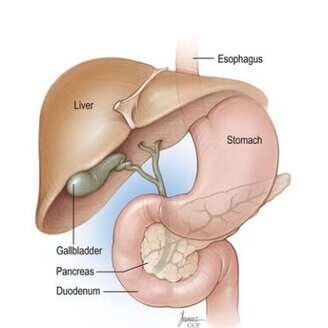
Esophageal Cancer Treatment
Esophageal cancer refers to malignancies that develop in the esophagus, the muscular tube that connects the throat to the stomach. It can manifest as squamous cell carcinoma or adenocarcinoma, with symptoms including difficulty swallowing, unintentional weight loss, and chest pain. Treatment typically involves a combination of surgery, chemotherapy, radiation therapy, and targeted therapy, depending on the stage and type of cancer.
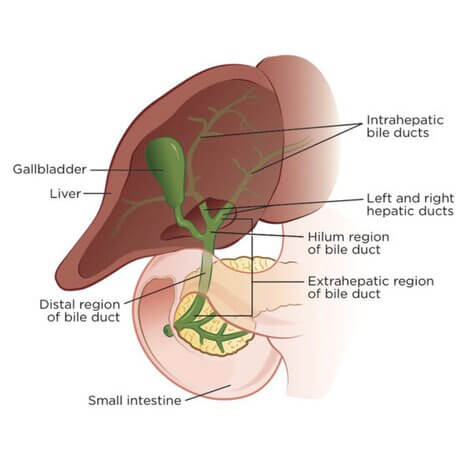
Liver Cancer Treatment
Liver cancer refers to the abnormal growth of cells in the liver, leading to the formation of tumors. Treatment for liver cancer typically involves a combination of approaches, including surgery, chemotherapy, radiation therapy, targeted therapy, and immunotherapy, depending on the stage and severity of the disease.
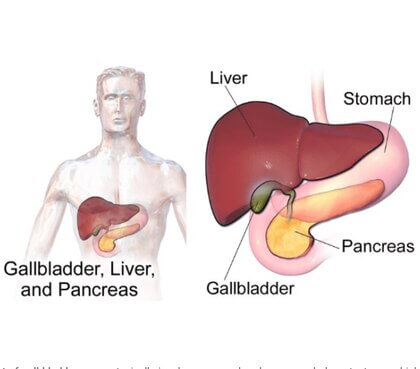
Gall Bladder Cancer Surgery
Gall bladder cancer refers to the malignant growth that originates in the tissues of the gall bladder. It is often diagnosed at an advanced stage due to its nonspecific symptoms and lack of early detection methods. Surgical intervention is a cornerstone in the treatment of gall bladder cancer, aiming to remove the tumor and surrounding tissues to prevent its spread.
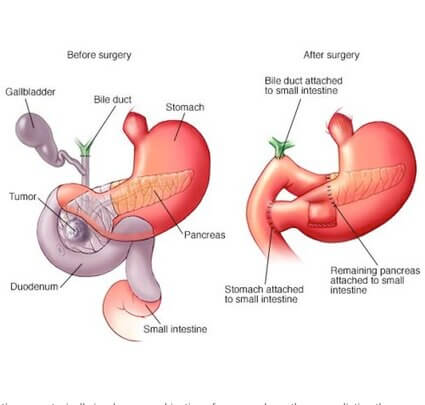
Pancreatic Cancer Treatment
Pancreatic cancer refers to the abnormal growth of cells in the pancreas, a vital organ responsible for producing enzymes and hormones involved in digestion and blood sugar regulation. It is a highly aggressive and often deadly form of cancer that requires prompt and comprehensive treatment.
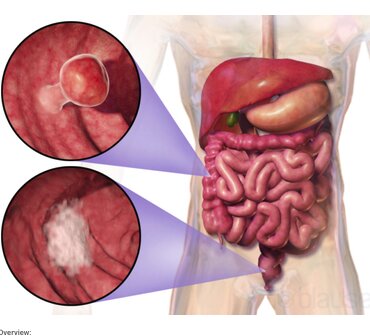
Colorectal cancer surgery
Colorectal cancer is a malignancy that develops in the colon or rectum, often starting as benign growths called polyps. Treatment for colorectal cancer typically involves a combination of surgery, chemotherapy, radiation therapy, targeted therapy, and immunotherapy, depending on the stage and characteristics of the cancer.
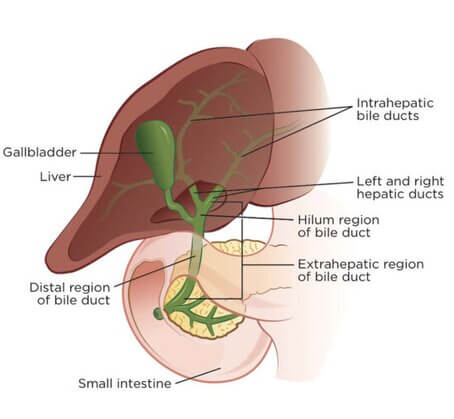
Bile duct cancer surgery
Bile duct cancer, also known as cholangiocarcinoma, refers to cancer that originates in the bile ducts, which are tubes that carry bile from the liver to the gallbladder and small intestine. It is a relatively rare but aggressive form of cancer that requires prompt diagnosis and comprehensive treatment.
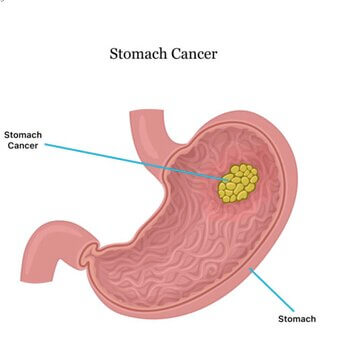
Stomach cancer surgery
Stomach cancer, also known as gastric cancer, refers to the abnormal growth of malignant cells in the lining of the stomach. It is a serious and potentially life-threatening condition that requires prompt diagnosis and treatment.
GI Surgery Services.
D. Hernia Surgery
Hernia surgery involves repairing the weakened or torn muscles that allow organs or tissues to protrude through them. This procedure aims to strengthen the affected area, preventing the recurrence of hernias and relieving associated symptoms such as pain and discomfort.
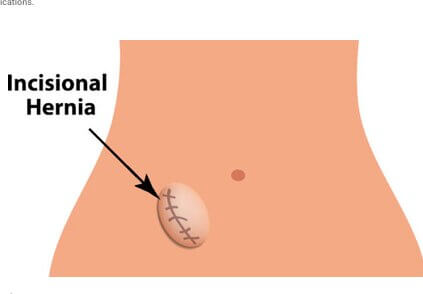
Incisional hernia surgery
Incisional hernia refers to the protrusion of tissue through a weakened area or previous surgical incision in the abdominal wall. It occurs when the muscles or tissues around a previous surgical incision fail to heal properly, leading to a gap or defect through which abdominal contents can bulge outwards. Surgical intervention is often necessary to repair the hernia and prevent complications.
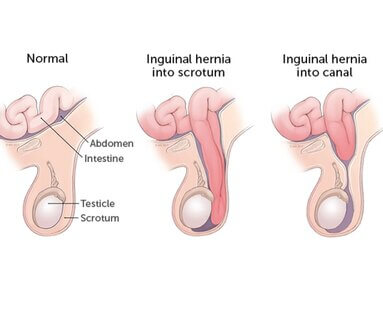
Inguinal hernia surgery
An inguinal hernia occurs when tissue, such as part of the intestine, protrudes through a weak spot in the abdominal muscles in the groin area. Surgical treatment involves repairing the weakened abdominal wall to prevent the hernia from recurring and to alleviate associated symptoms.
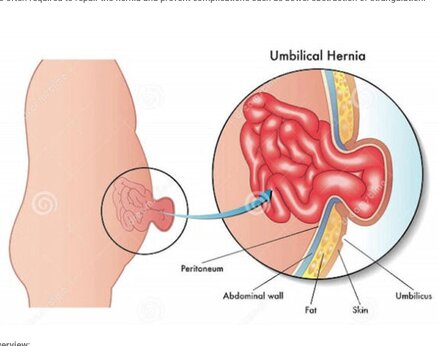
Umbilical Hernia Surgery
An umbilical hernia occurs when a portion of the abdominal contents, such as fat or intestines, protrudes through a weak spot in the abdominal wall near the navel (umbilicus). Surgical intervention is often required to repair the hernia and prevent complications such as bowel obstruction or strangulation.
Femoral Hernia Surgery
A femoral hernia occurs when tissue, such as a portion of the intestine, protrudes through a weak spot in the abdominal wall near the femoral canal. This type of hernia appears as a bulge in the groin or upper thigh and may cause discomfort or complications if left untreated.
Hiatal Hernia Surgery
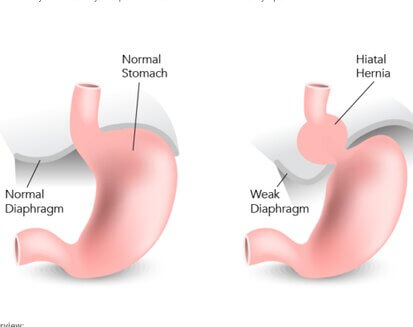
A hiatal hernia occurs when part of the stomach protrudes through the diaphragm into the chest cavity, leading to symptoms such as acid reflux, heartburn, and difficulty swallowing. Surgical intervention may be necessary to repair the hiatal hernia and alleviate symptoms.
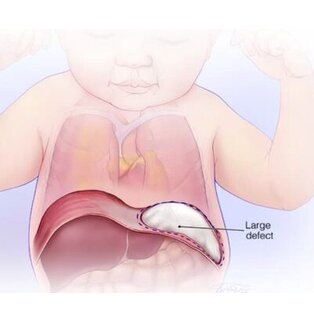
Diaphragmatic Hernia Surgery
A diaphragmatic hernia occurs when abdominal organs protrude through a defect or weak spot in the diaphragm, the muscle that separates the chest cavity from the abdomen. This can lead to complications such as organ dysfunction, respiratory distress, and gastrointestinal symptoms.
GI Surgery Services.
E. Other GI Surgeries
Are you struggling with gastrointestinal (GI) issues that impact your quality of life? Other GI Surgery might be the solution you’ve been seeking. Led by renowned specialist Dr. Md Nahid, this innovative surgical approach offers transformative benefits for patients suffering from a range of GI conditions. Let’s delve into the advantages of Others GI Surgery and the crucial aspects of post-surgery care.
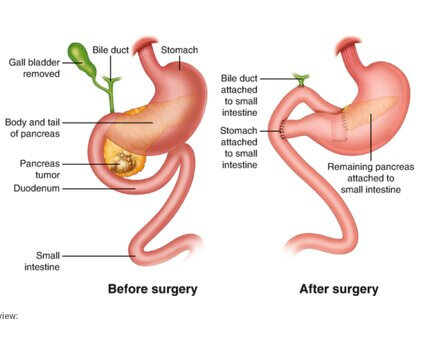
Pancreaticoduodenectomy Surgery
Pancreaticoduodenectomy, also known as the Whipple procedure, is a surgical procedure performed to remove the head of the pancreas, the duodenum, a portion of the bile duct, and sometimes a portion of the stomach. It is commonly used to treat pancreatic cancer, as well as other conditions affecting the pancreas, bile ducts, or duodenum.
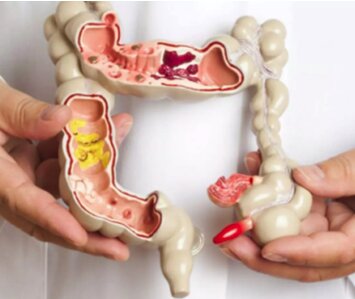
Colorectal Surgery
Colorectal surgery refers to surgical procedures performed to treat conditions affecting the colon, rectum, and anus. These surgeries may be necessary to remove cancerous or non-cancerous tumors, repair damage caused by injury or disease, or manage conditions such as inflammatory bowel disease (IBD) or diverticulitis.
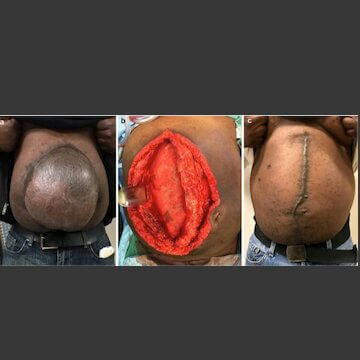
Trauma Abdomen Surgery
Trauma abdomen surgery refers to surgical interventions performed to address injuries or damage to the abdominal organs caused by traumatic events such as accidents, falls, or penetrating wounds. These surgeries aim to stabilize the patient, control bleeding, repair damaged tissues, and prevent further complications.
GI Surgery Services.
F. Robotic GI Surgery
Robotic GI surgery utilizes state-of-the-art technology to enhance the capabilities of surgeons during intricate gastrointestinal procedures. By employing robotic arms controlled by skilled surgeons, this technique enables unparalleled precision, dexterity, and control, surpassing traditional surgical methods.Are you struggling with gastrointestinal (GI) issues that impact your quality of life? Other GI Surgery might be the solution you’ve been seeking. Led by renowned specialist Dr. Md Nahid, this innovative surgical approach offers transformative benefits for patients suffering from a range of GI conditions. Let’s delve into the advantages of Others GI Surgery and the crucial aspects of post-surgery care.
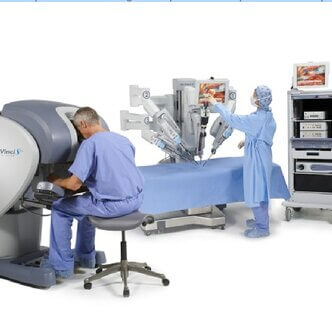
Robotic-Assisted Colorectal Surgery
Robotic-assisted colorectal surgery refers to surgical procedures performed to treat conditions affecting the colon, rectum, or anus using robotic technology. This approach combines the precision of robotic instruments with the expertise of the surgeon to perform complex colorectal procedures with enhanced precision and control.
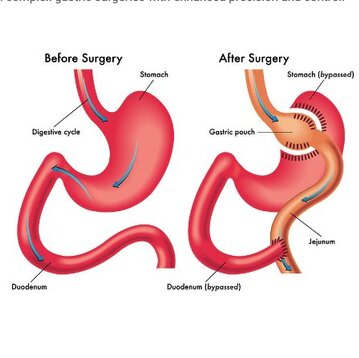
Robotic Assisted Gastric Surgery
Robotic-assisted gastric surgery refers to surgical procedures performed on the stomach using robotic technology. This approach combines the precision of robotic instruments with the expertise of the surgeon to perform complex gastric surgeries with enhanced precision and control.
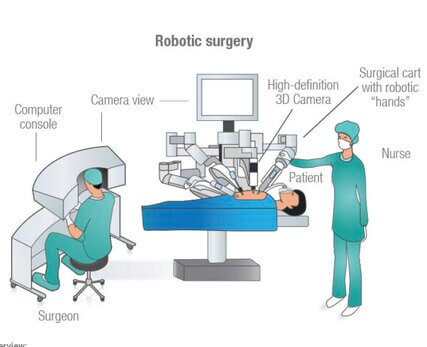
Robotic Assisted Esophageal Surgery
Robotic-assisted esophageal surgery refers to surgical procedures performed on the esophagus using robotic technology. This approach combines the precision of robotic instruments with the expertise of the surgeon to perform complex esophageal surgeries with enhanced precision and control.
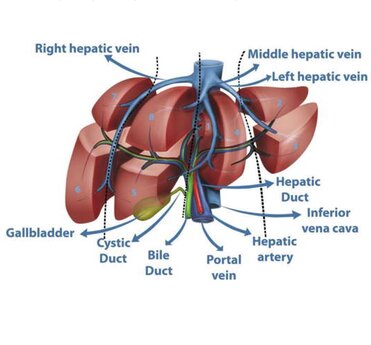
Robotic Assisted Liver Surgery
Robotic-assisted liver surgery involves using robotic technology to perform surgical procedures on the liver. This approach combines the precision of robotic instruments with the expertise of the surgeon to perform complex hepatic surgeries with enhanced precision and control.
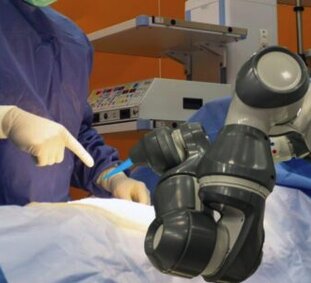
Robotic Assisted Pancreatic Surgery
Robotic-assisted pancreatic surgery refers to surgical procedures performed on the pancreas using robotic technology. This approach combines the precision of robotic instruments with the expertise of the surgeon to perform complex pancreatic surgeries with enhanced precision and control.
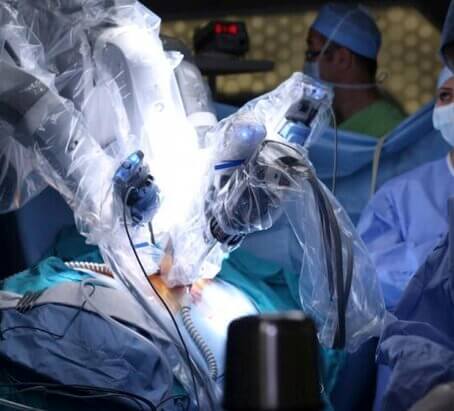
Robotic Assisted Hernia Repair
Robotic-assisted hernia repair involves the use of robotic technology to perform surgical procedures for repairing hernias. This approach combines the precision and dexterity of robotic instruments with the expertise of the surgeon to effectively repair hernias with enhanced precision and control.


Advanced GI Surgery with Precision
Clear explanations and personalized plans.

Looking for expert gastrointestinal care in Bangalore? Consult Dr. Mohammed Nahid, a highly qualified Surgical Gastroenterologist specializing in HPB Surgery, Gastrointestinal Surgery and Advanced Laparoscopic Procedures. Associated with M. S. Ramaiah Memorial Hospital, Bangalore, he offers comprehensive evaluation, precise diagnosis and advanced treatment for digestive disorders, gallbladder diseases, liver conditions, pancreatic disorders and gastrointestinal cancers. With a patient-first approach and modern surgical expertise, Dr. Nahid is dedicated to delivering safe, effective and personalized care. Schedule your consultation today and experience trusted gastrointestinal treatment from one of Bangalore’s respected GI surgeons.
Free consultation
Our professional team have a unique creative vision of how your dream space will work the best for you. Learn more about our services and contact us!